In the realm of construction and civil engineering, the term “wet utilities” refers to the systems responsible for transporting water and wastewater. These systems are integral to the development of residential, commercial, and industrial areas, ensuring the delivery of clean water and the safe removal of wastewater. Understanding wet utilities is crucial for developers, engineers, and property owners involved in construction projects.
What Are Wet Utilities?
Wet utilities encompass the infrastructure systems that manage the distribution of water and the removal of wastewater. These include:
- Water Distribution Systems: Pipes, valves, and other infrastructure that bring clean water to homes, businesses, and public facilities.
- Sewer Systems: Infrastructure that carries wastewater away from properties to treatment facilities.
- Stormwater Drainage: Systems designed to manage and direct stormwater to prevent flooding and protect the environment.
These systems are typically installed underground and require careful planning and execution to ensure their functionality and compliance with regulatory standards. Jollie Construction
Key Components of Wet Utilities
- Water Mains: Large pipes that transport potable water from treatment plants to distribution networks.
- Sewer Mains: Pipes that carry wastewater from homes and businesses to treatment facilities.
- Storm Drains: Systems designed to manage rainwater runoff and prevent flooding.
- Manholes and Access Chambers: Structures that provide access to underground utilities for maintenance and inspection.
- Fire Hydrants: Devices connected to water mains that provide water for firefighting purposes.
- Backflow Preventers: Devices installed to prevent contaminated water from flowing back into the clean water supply.
Importance of Wet Utilities
Wet utilities are essential for several reasons:
- Public Health and Safety: They ensure the delivery of clean water and the safe removal of wastewater, preventing contamination and the spread of disease.
- Environmental Protection: Proper stormwater management helps prevent flooding, soil erosion, and water pollution.
- Infrastructure Support for Development: Wet utilities provide the necessary infrastructure for new construction projects, supporting the needs of buildings and communities.
- Compliance with Regulations: Wet utilities construction must comply with local, state, and federal regulations regarding water quality, waste disposal, and environmental protection.
Wet Utilities Construction Process
The construction of wet utilities involves several key steps:
- Planning and Design: Engineers assess the site and design the layout of water, sewer, and stormwater systems to meet the project’s needs and comply with regulations.
- Permitting: Obtain necessary permits from local authorities to begin construction.
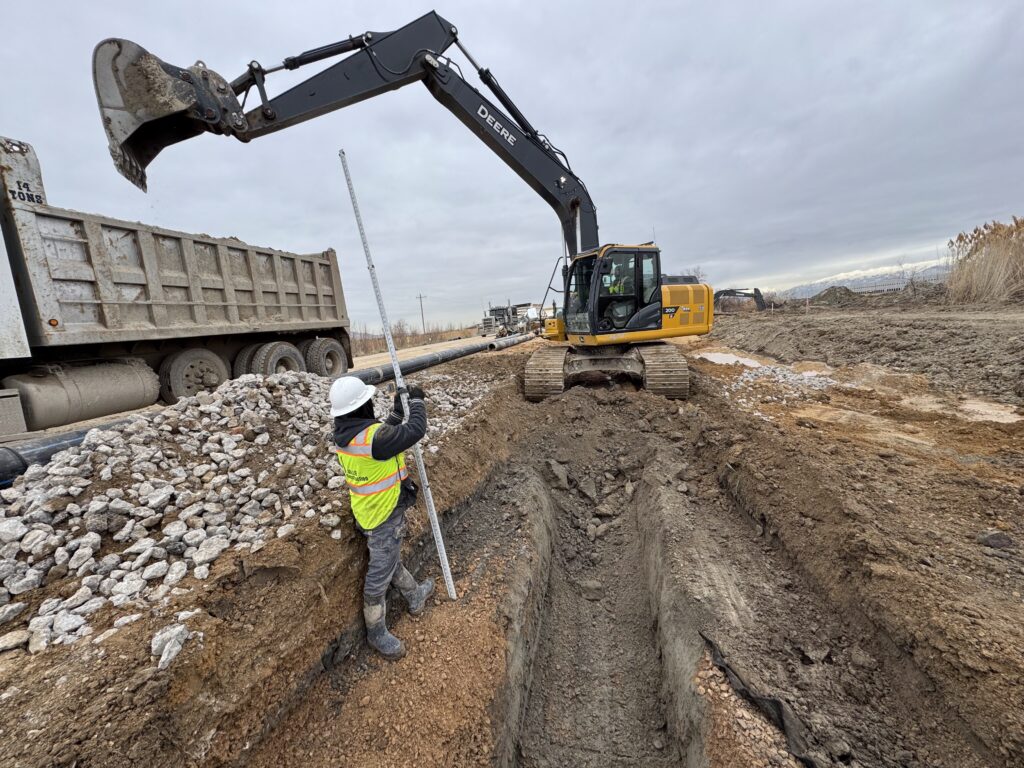
- Excavation: Dig trenches to lay pipes and install other infrastructure components.
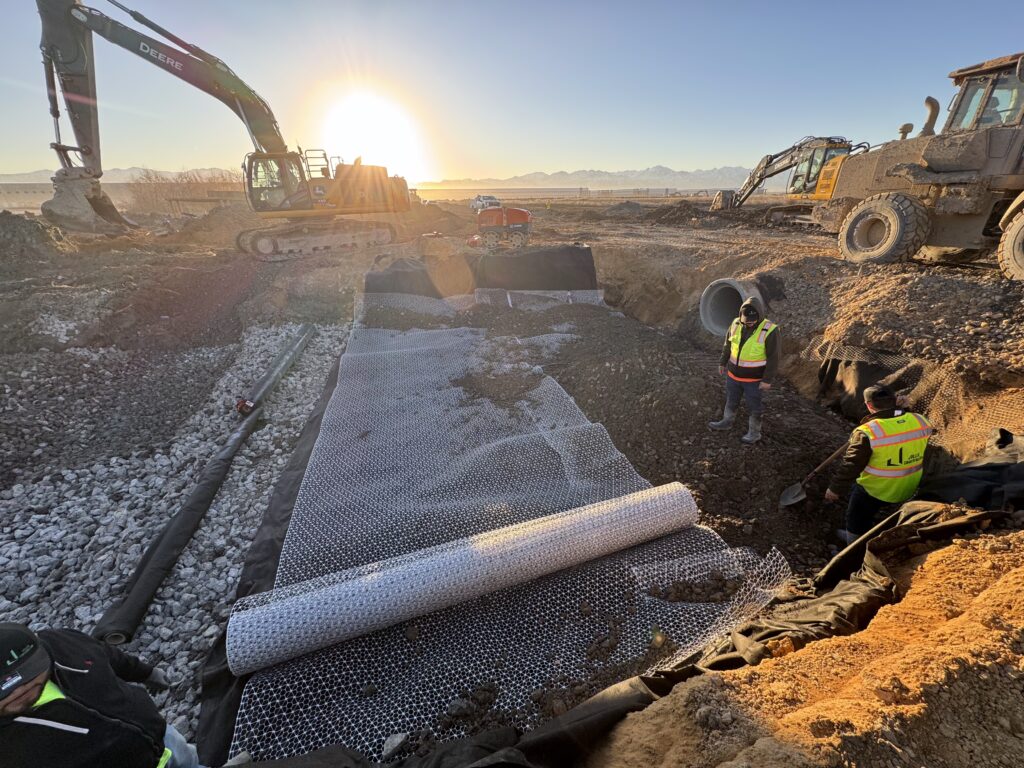
- Installation: Place and connect pipes, install manholes, fire hydrants, and other components.
- Testing and Inspection: Conduct tests to ensure systems are functioning correctly and meet regulatory standards.
- Backfilling and Restoration: Fill trenches, restore the site, and ensure the area is safe and accessible.
Challenges in Wet Utilities Construction
Several challenges can arise during the construction of wet utilities:
- Soil Conditions: Unstable or contaminated soil can complicate excavation and installation.
- Water Table Levels: High groundwater levels can interfere with construction and require dewatering measures.
- Existing Infrastructure: Encountering existing utilities can cause delays and require careful coordination.
- Regulatory Compliance: Ensuring all work meets local, state, and federal regulations can be complex and time-consuming.
Maintenance of Wet Utilities
Regular maintenance is crucial to ensure the longevity and functionality of wet utilities:
- Inspections: Regularly check for signs of wear, leaks, or blockages.
- Cleaning: Remove debris and sediment from pipes and drains to prevent clogs.
- Repairs: Promptly address any issues to prevent system failures.
- Upgrades: As communities grow, upgrading systems may be necessary to meet increased demand.
Wet utilities are fundamental to the development and operation of communities. Understanding their components, construction processes, and maintenance needs is essential for anyone involved in construction or development projects. By ensuring the proper design, installation, and upkeep of wet utilities, we can provide safe, reliable, and sustainable infrastructure for current and future generations.