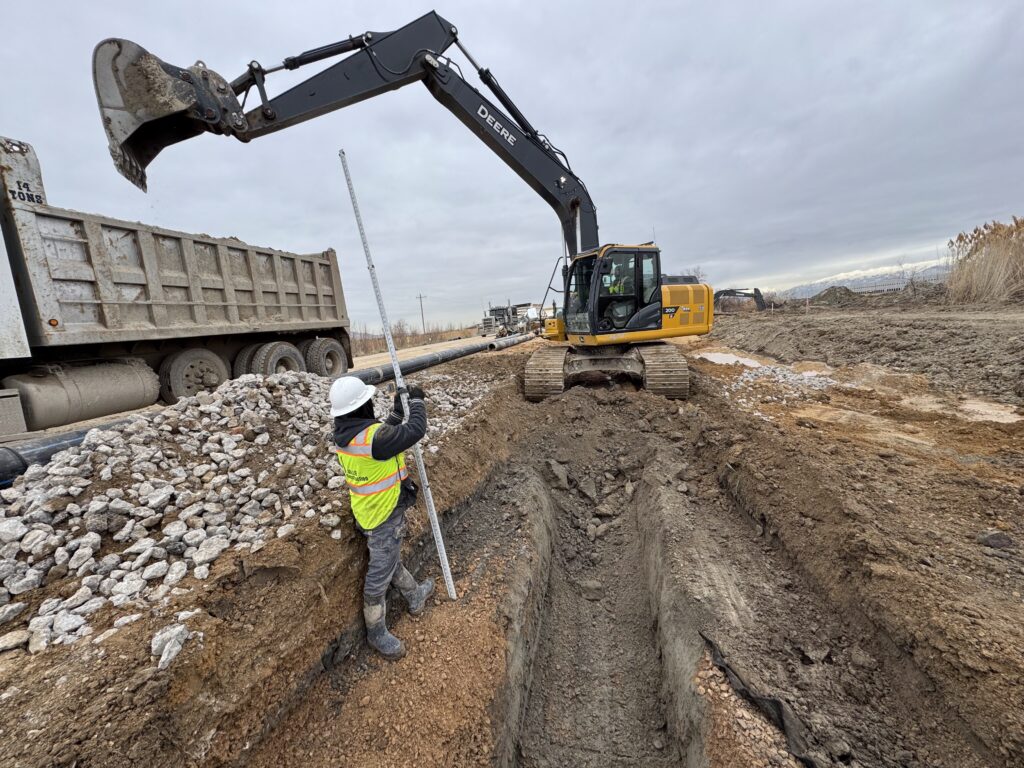
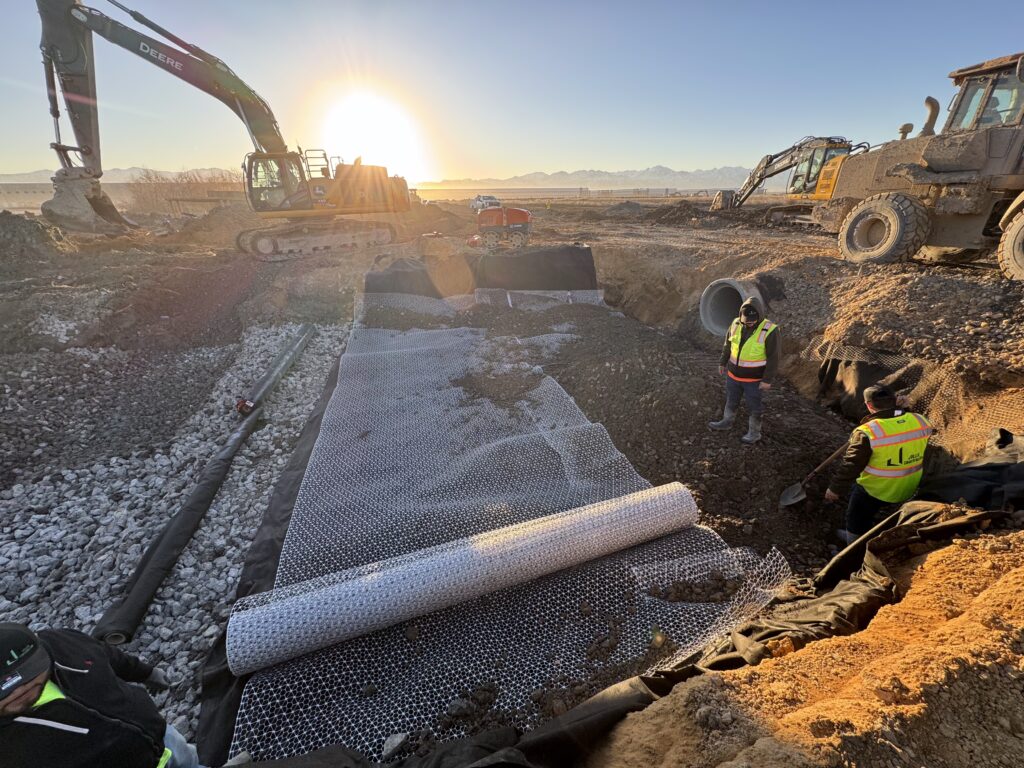
Utah is one of the fastest-growing states in the U.S., with increasing demands for infrastructure that can support its expanding population and economy. Road infrastructure plays a critical role in this development, ensuring that transportation networks are safe, efficient, and sustainable. From highways and local roads to bridges and tunnels, road infrastructure is vital for connecting communities, promoting commerce, and improving the quality of life for residents.
In this blog, we’ll explore the significance of road infrastructure in Utah, the challenges the state faces, and the benefits of investing in transportation systems that support both current and future needs.
Why Road Infrastructure is Critical for Utah’s Growth
- Supports Economic Development
Roads are the backbone of a thriving economy. In Utah, efficient transportation networks facilitate the movement of goods and services across the state and beyond. Improved road infrastructure boosts productivity, attracts businesses, and supports industries such as manufacturing, agriculture, and tourism. - Promotes Public Safety
Well-maintained and modernized roads reduce the risk of accidents, traffic jams, and unsafe conditions. In Utah, where mountainous terrain and extreme weather conditions pose additional challenges, investing in safe, reliable road infrastructure is essential to protecting the public. - Reduces Congestion
As Utah’s population continues to grow, road infrastructure helps manage traffic and reduce congestion in urban areas. Building new roads, expanding existing ones, and improving public transit options can alleviate pressure on heavily traveled routes, making daily commutes more efficient for everyone. - Improves Quality of Life
Good roads contribute to a higher quality of life by making transportation more accessible and convenient. Whether it’s commuting to work, traveling for leisure, or receiving emergency services, well-connected roads are integral to the everyday lives of residents. - Sustainability and Long-Term Planning
Investing in sustainable road infrastructure is vital for long-term growth. This involves not only building new roads but also maintaining and upgrading existing ones to meet the needs of a growing population. Sustainable infrastructure reduces the environmental impact, conserves resources, and ensures that roads remain functional for decades to come.
Key Road Infrastructure Projects in Utah
Utah has seen numerous road infrastructure projects aimed at improving transportation and meeting the demands of its expanding population. Some key ongoing and upcoming projects include:
- Mountain View Corridor: This project is designed to address traffic congestion in the western Salt Lake Valley by creating a new, north-south freeway. Once completed, it will significantly reduce commute times and provide better access to the surrounding communities.
- West Davis Corridor: This freeway project will provide a vital connection between the northern Salt Lake Valley and areas to the north. It will improve mobility, reduce traffic on I-15, and support economic development in the region.
- U.S. 89 Expansion: U.S. 89 is being expanded to accommodate more traffic and improve safety. This project is expected to help with congestion and improve the efficiency of the transportation system in central Utah.
Challenges in Road Infrastructure Development
While road infrastructure development is essential for the state’s growth, several challenges must be addressed to ensure successful planning and execution:
- Funding and Budgeting
Road projects require significant investment, and securing adequate funding is often a challenge. Balancing the budget while ensuring that funds are allocated effectively is crucial to maintaining the pace of infrastructure development. - Environmental Impact
Developing new roads or expanding existing ones can have environmental implications. Careful planning and sustainable practices are needed to minimize the environmental impact and ensure that new infrastructure doesn’t harm local ecosystems. - Adapting to Growth
Utah’s rapid population growth means that the demand for road infrastructure is constantly changing. Future development needs to account for this growth and plan accordingly to ensure that transportation systems can accommodate the increased demand. - Weather Conditions
Utah’s weather, especially its snowy winters and hot summers, can cause wear and tear on road infrastructure. Building roads that are durable and can withstand harsh conditions is a challenge that requires careful consideration during planning and construction.
How Jollie Construction Contributes to Utah’s Road Infrastructure
At Jollie Construction, we specialize in providing high-quality road infrastructure services to help build a stronger future for Utah. With extensive experience in road construction, grading, paving, and maintenance, our team is committed to delivering reliable, efficient, and safe infrastructure projects for Utah’s communities.
- Expertise and Quality: We have years of experience working on road infrastructure projects throughout Utah, providing exceptional quality and precision in every project we undertake.
- Sustainable Practices: We incorporate sustainable practices in all of our construction projects, ensuring that our work contributes to long-term infrastructure solutions that benefit both the community and the environment.
- Timely Completion: At Jollie Construction, we understand the importance of meeting deadlines. We work efficiently and effectively to complete road projects on time, minimizing disruptions to traffic and local residents.
Investing in road infrastructure is crucial for the growth and development of Utah. By improving road safety, reducing congestion, and supporting economic growth, high-quality road systems create a foundation for a better quality of life for all residents. With ongoing projects and future developments, the state is well on its way to building a modern, sustainable transportation network.